Beginner's Guide to Sewing Silk (Without Crying)
Silk has a reputation for being the diva of the fabric world. It's slippery, delicate, expensive, and somehow manages to slide off your cutting table the second you look away. But here's the good news: silk isn't difficult because it's impossible to sew—it's difficult because it demands patience. Treat it kindly, use the right tools, and you'll quickly discover why it's been treasured for thousands of years.
So before you declare war on that beautiful metre of silk you've been saving, here's everything you need to know.
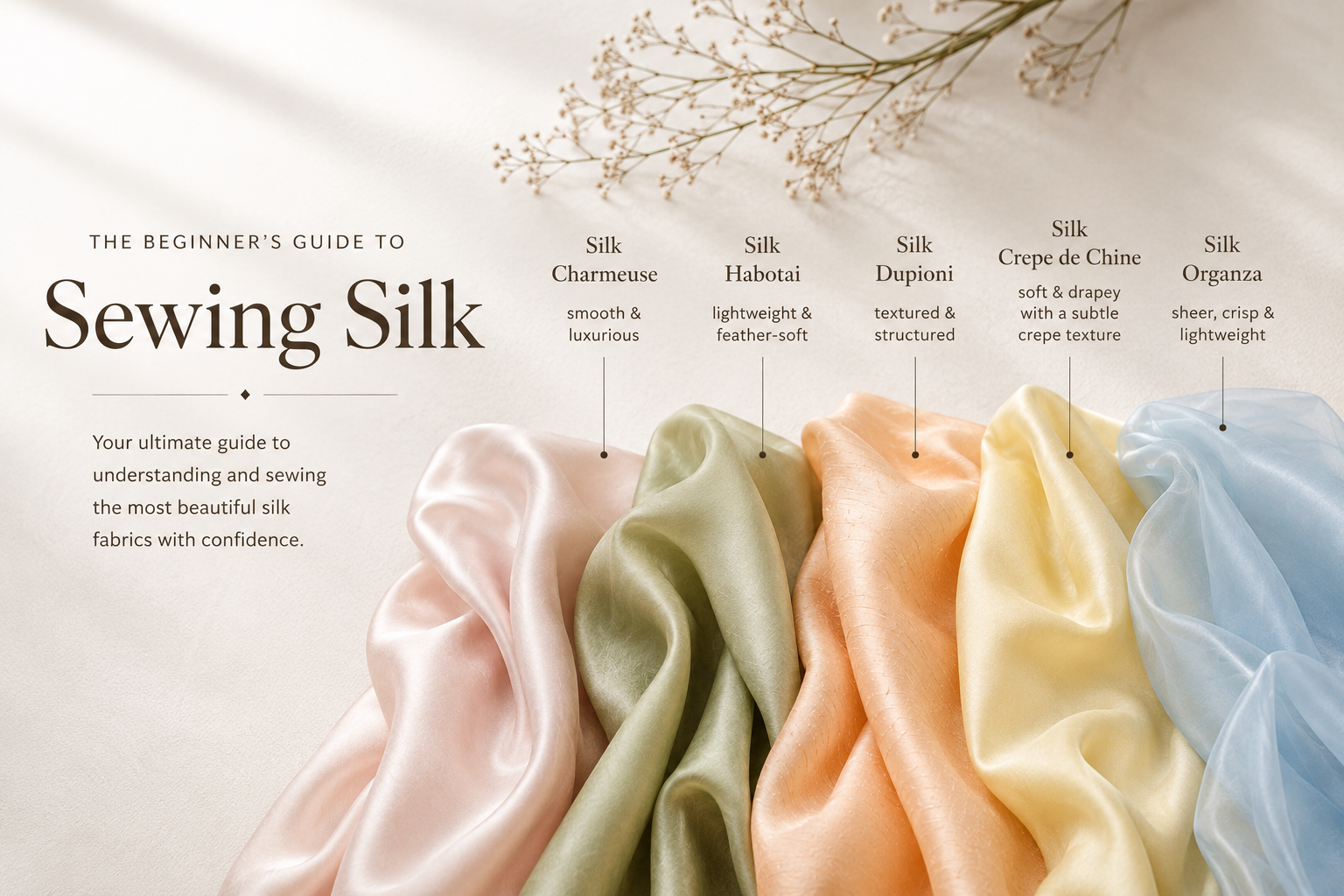
First Things First: Get to Know Your Silk
Not all silk behaves the same.
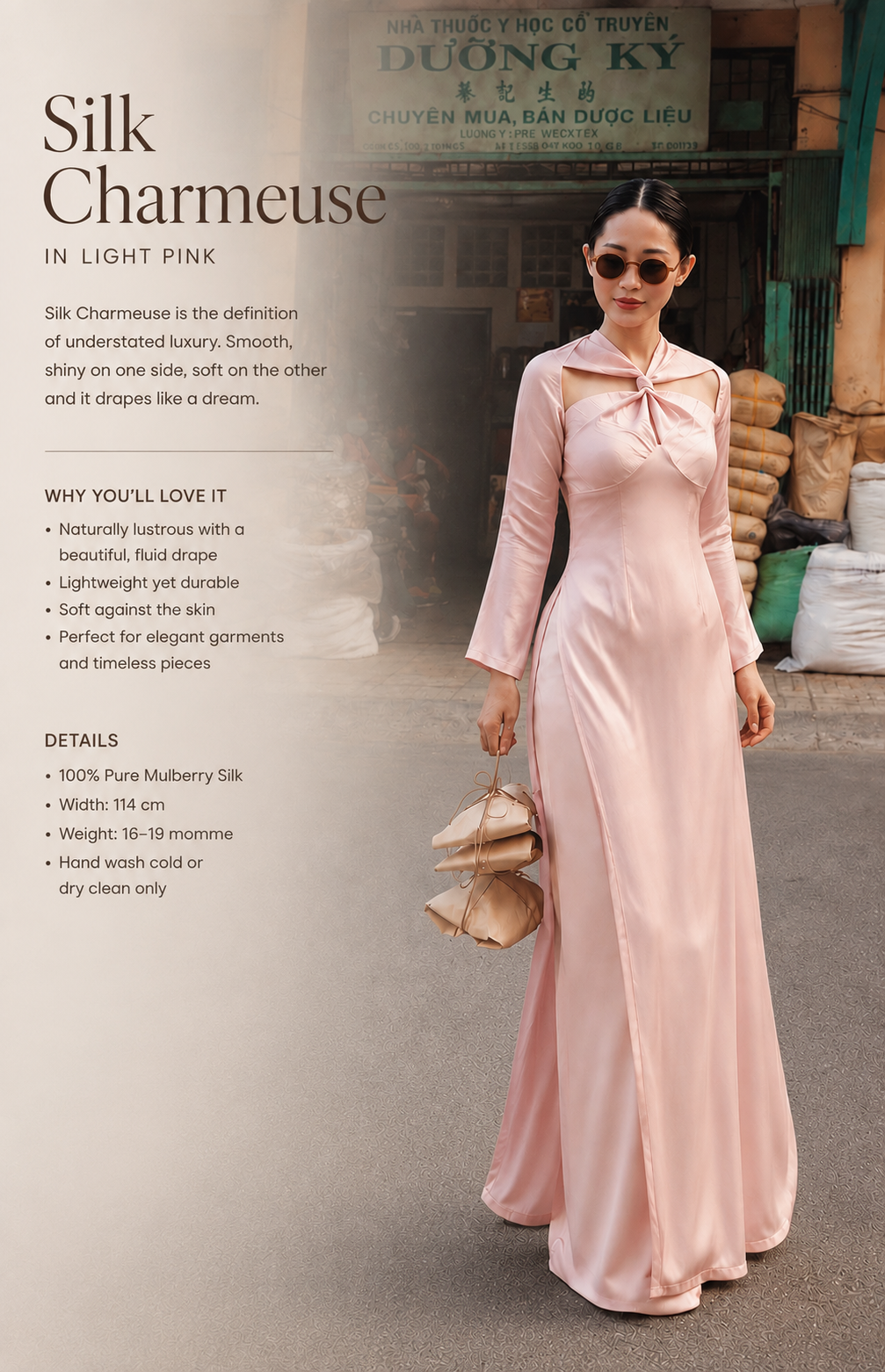
Silk Charmeuse – Smooth, glossy, luxurious... and about as cooperative as a toddler who skipped their nap.
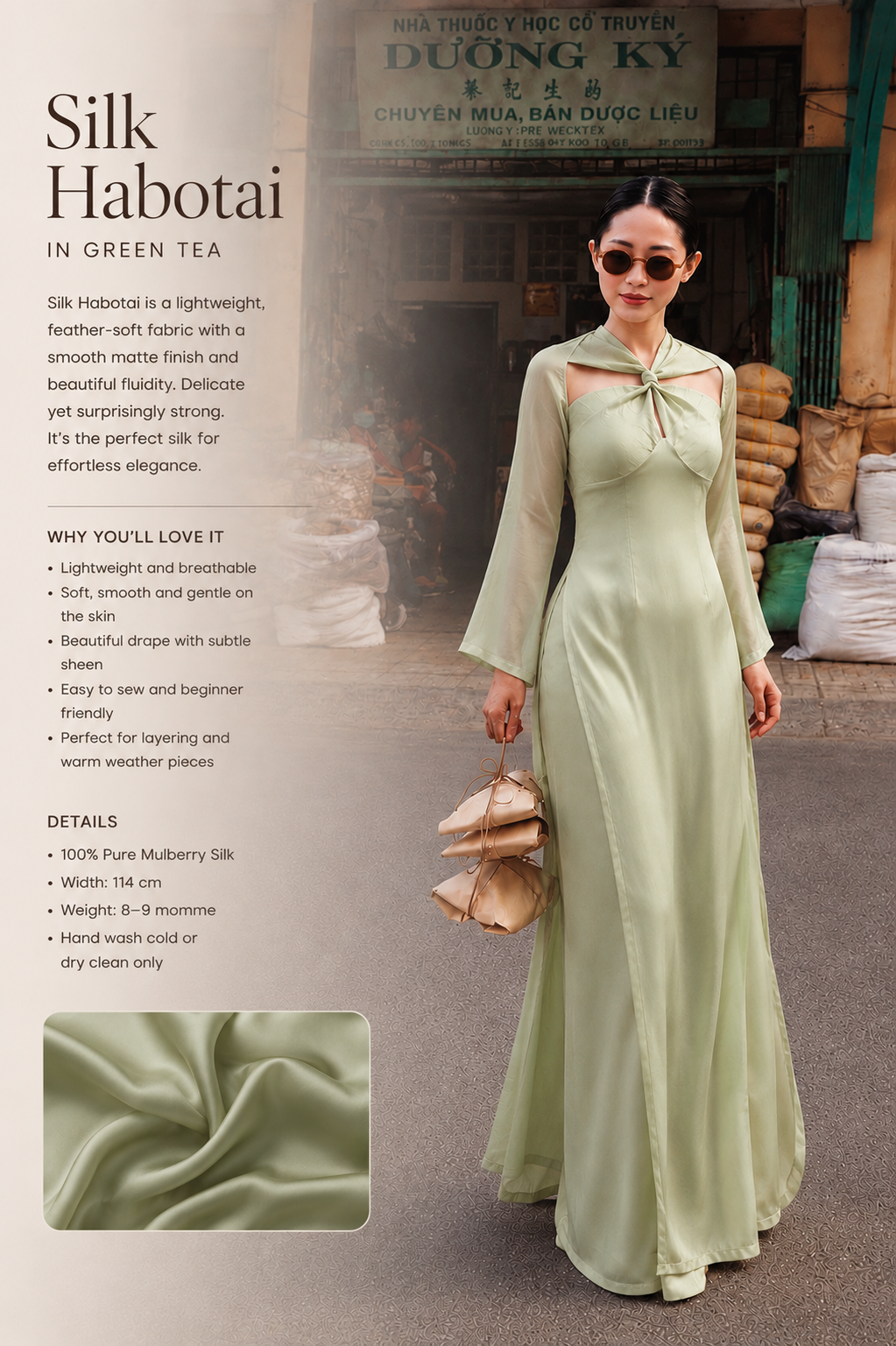
Silk Habotai – Lightweight, soft, and one of the friendlier silks for beginners.
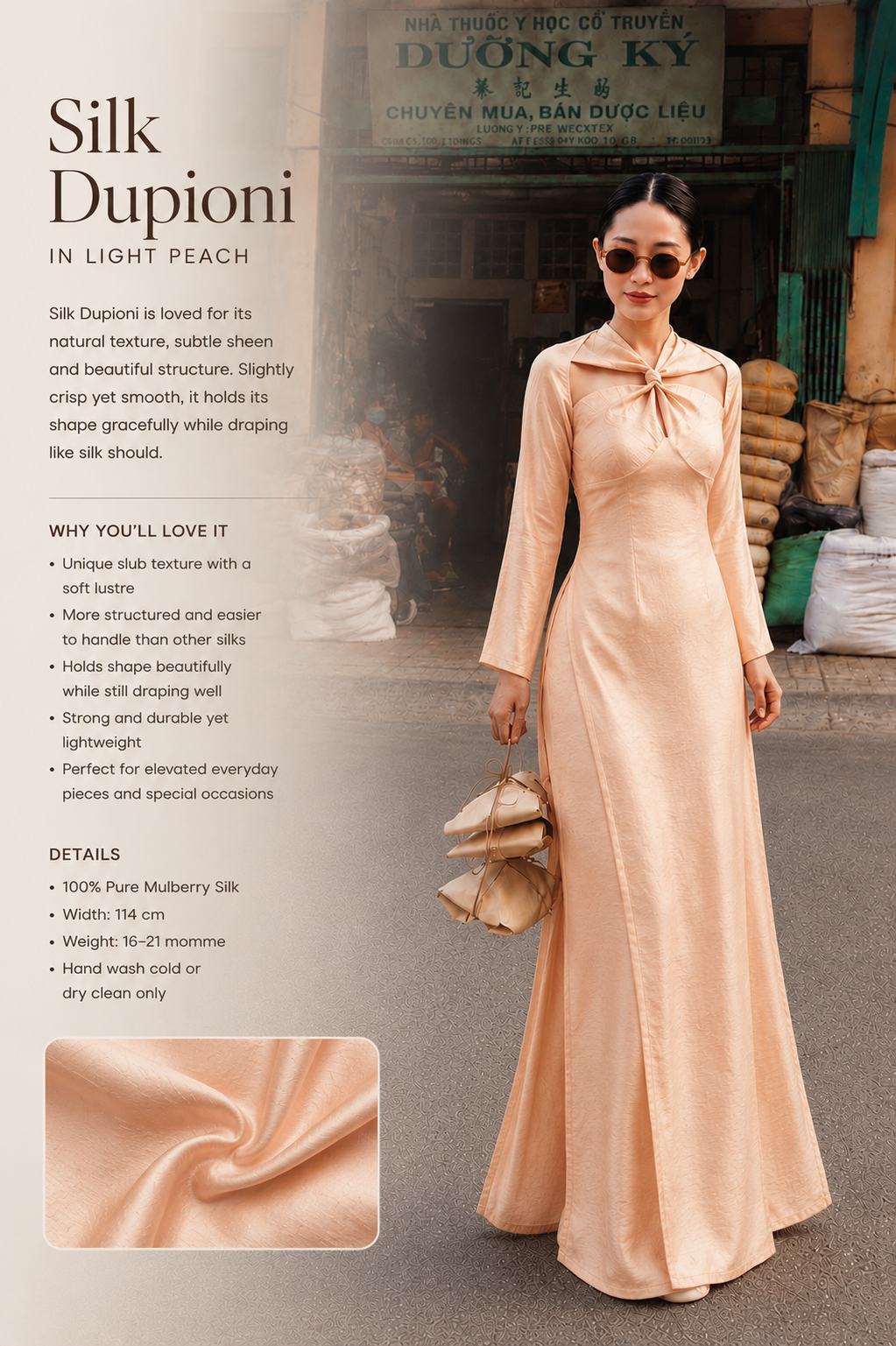
Silk Dupioni – Crisp with a lovely texture. Much easier to handle because it doesn't slide around as much.
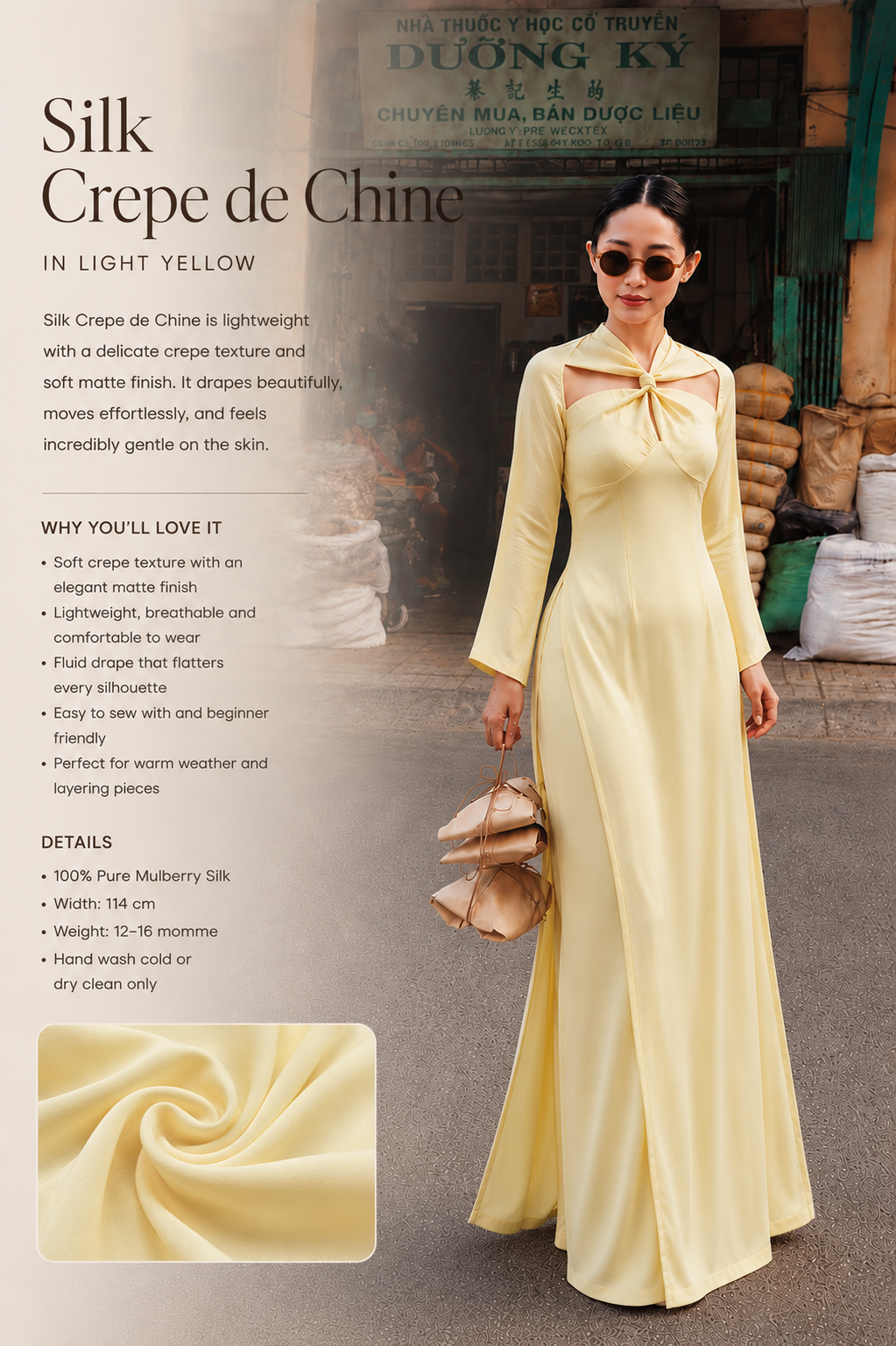
Silk Crepe de Chine – Drapes beautifully with a subtle texture that's more forgiving than satin.
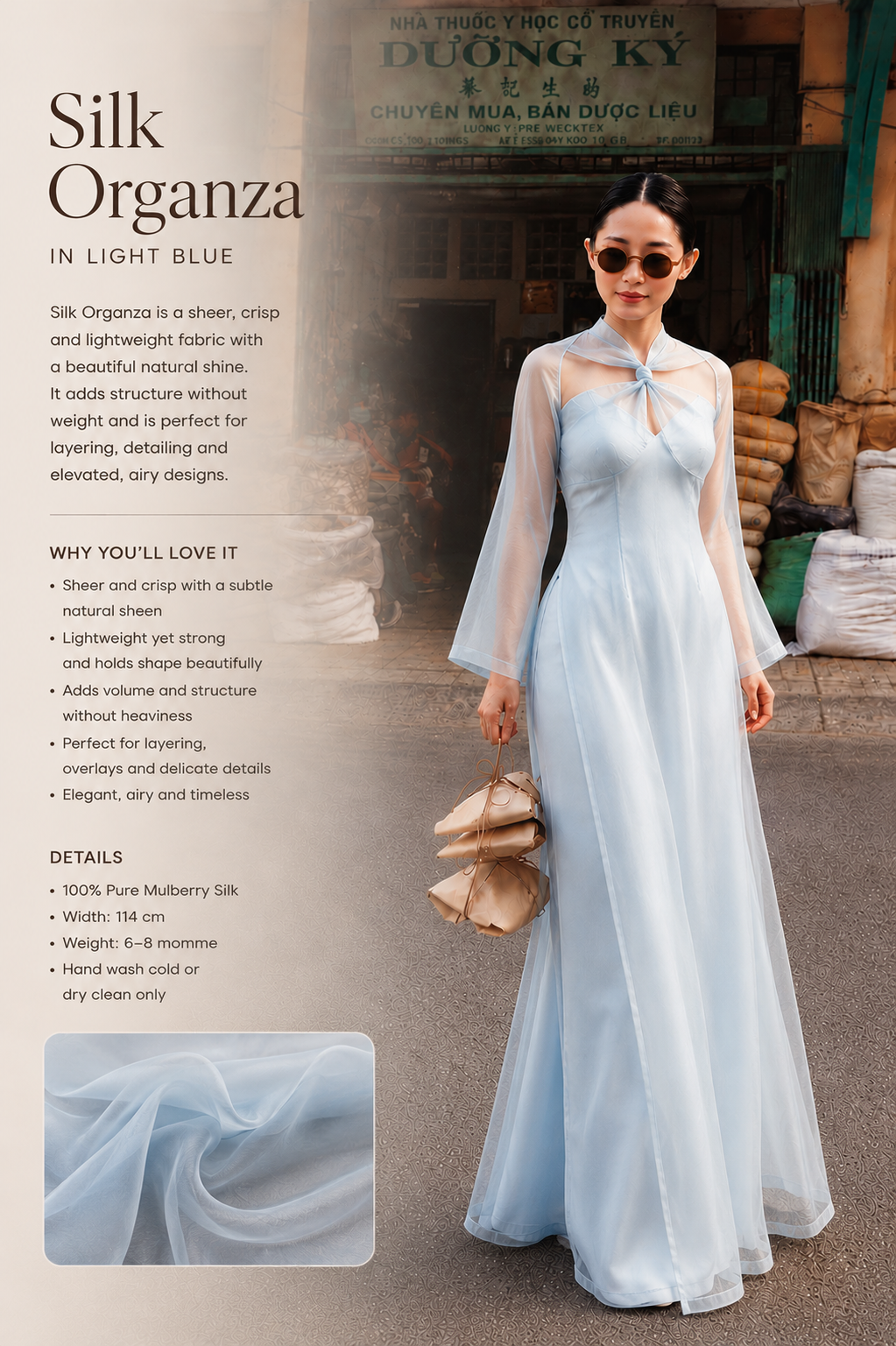
Silk Organza – Sheer, crisp and surprisingly useful—not just as fabric but as a stabiliser when sewing other silks.
If you're sewing with silk for the first time, start with Dupioni or Habotai. Save the slinky satin for when you've built a little confidence.
The Golden Rule: Don't Rush
Silk has an incredible ability to expose every shortcut.
Skipped pressing? It'll show.
Pulled the fabric while sewing? It'll show.
Tried to "just wing it"? Oh, it'll definitely show.
The slower you sew, the better your finished garment will look. Think of silk as a gentle reminder that not everything in life needs to be done at full speed.
Prepare Your Fabric Properly
Some silks can shrink, while others are labelled dry clean only.
If your finished garment will be hand washed, pre-wash the fabric using cool water and a gentle silk detergent. If it's intended for dry cleaning, leave it alone.
Once dry, press it using a low heat setting with plenty of steam—or better yet, use a pressing cloth. Silk loves heat... right up until the moment it doesn't.
Use the Right Needle
This tiny detail makes a surprisingly big difference.
Choose:
Size 60/8 or 70/10 Microtex (Sharp) needle
Fine polyester thread or silk thread
Fresh needle for every silk project
A dull needle can snag fibres and leave permanent marks. Considering silk often costs more than your weekly coffee budget, changing a $2 needle is a worthwhile investment.
Cutting Silk Without Losing Your Mind
Silk's favourite hobby is moving.
Here are a few tricks:
Cut with a rotary cutter instead of scissors.
Place tissue paper underneath while cutting.
Use pattern weights instead of excessive pins.
Cut in a single layer rather than folded.
Sharp fabric shears are non-negotiable.
Trying to cut slippery silk while it's folded is a bit like trying to cut jelly. Technically possible... but why make life harder?
Pin Less, Clip More
Every pin leaves a tiny hole.
Instead:
Use fine silk pins if you must.
Wonder clips work well on seam allowances.
Hand baste important seams before machine sewing.
Yes, hand basting sounds old-fashioned.
Yes, it also prevents you from saying words your sewing machine wasn't designed to hear.
Adjust Your Machine Settings
A few small adjustments can transform your results.
Start with:
Stitch length: 2.0–2.5 mm
Lower presser foot pressure if your machine allows
Test thread tension on scraps first
Sew slowly
Very slowly.
Imagine you're teaching your grandmother how to drive a Ferrari.
Prevent Fabric From Being Eaten
Nothing ruins your day quite like your machine enthusiastically swallowing the first corner of expensive silk.
To avoid this:
Start sewing slightly in from the edge.
Hold your thread tails for the first few stitches.
Place tissue paper under the starting edge if necessary.
Use a leader scrap before feeding in your project.
It's a simple trick that can save a lot of heartache.
Press Every Seam
Professional-looking garments aren't made with perfect stitching—they're made with excellent pressing.
Press:
After every seam.
Before topstitching.
Before attaching the next section.
Always use:
Low heat
A pressing cloth
No dragging the iron
Lift, press, lift again.
Ironing silk aggressively is like brushing wet hair with a rake.
Finish the Seams Beautifully
Silk frays quickly.
The best seam finishes include:
French seams (the classic choice)
Narrow overlocked edges
Hong Kong binding for luxury garments
Rolled hems for lightweight projects
French seams are especially satisfying because they hide every raw edge inside the seam, giving your garment that beautiful couture finish.
Practice on Scraps First
Before touching your actual project:
Test stitch length.
Test tension.
Practise curves.
Practise hems.
Try buttonholes if needed.
Five minutes on scrap fabric can save five hours of unpicking.
Beginner-Friendly Silk Projects
Don't start with a bias-cut evening gown.
Instead, try:
Pillowcases
Scrunchies
Simple camisoles
Pyjama shorts
Scarves
Elastic-waist skirts
Loose-fitting blouses
Each project teaches you something new without requiring advanced tailoring skills.
Common Beginner Mistakes
Pulling the fabric while sewing
Let the feed dogs do the work.
Using a universal needle
A Microtex needle is your new best friend.
Skipping pressing
This is the difference between homemade and handmade.
Using cheap thread
Quality thread produces noticeably better stitches.
Trying to sew too fast
Your sewing machine might enjoy speed.
Silk does not.
Final Thoughts
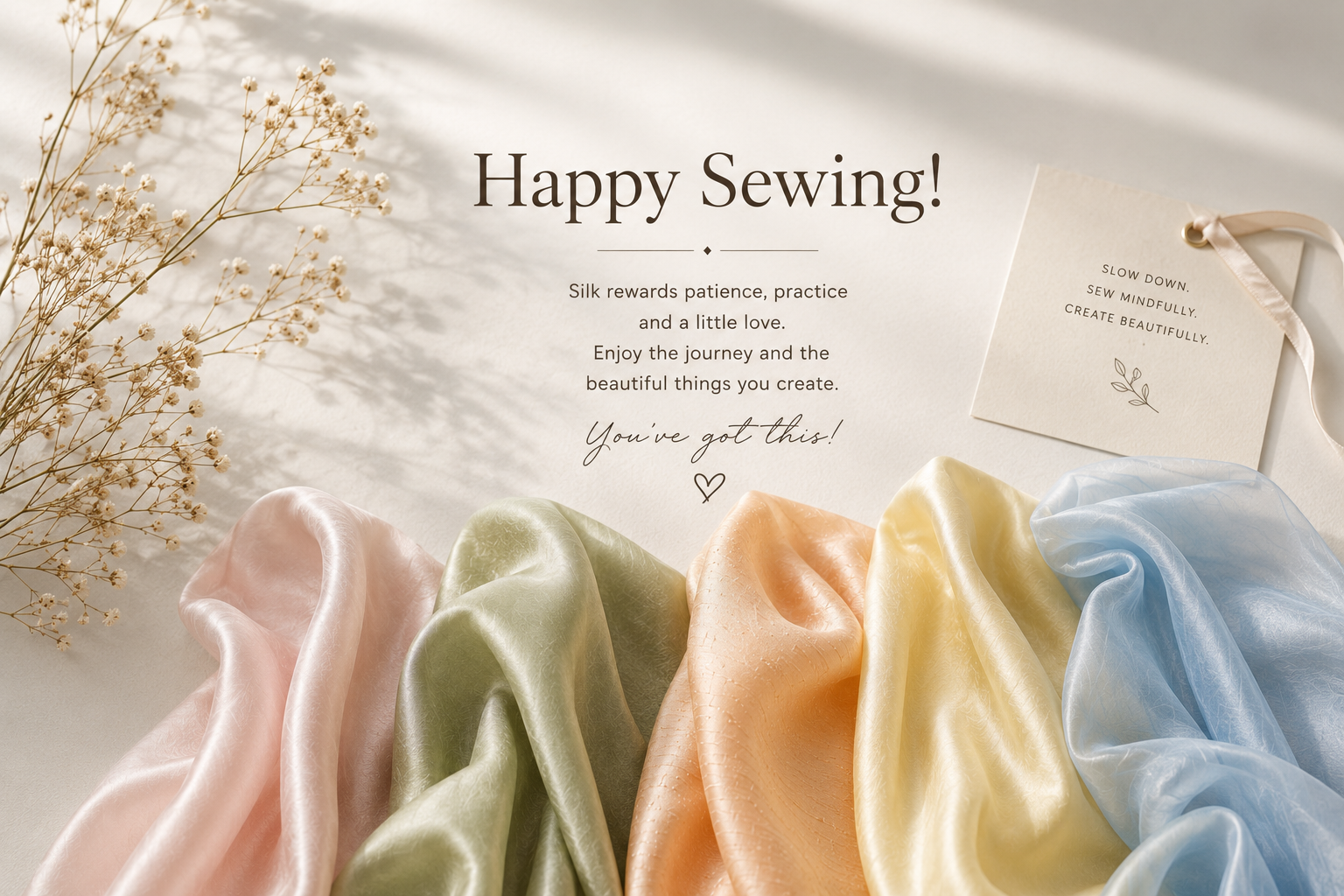
Silk has a reputation for being intimidating, but the truth is it's simply honest. It won't hide uneven stitching or rushed workmanship, but it will reward patience with some of the most beautiful garments you'll ever make.
Your first silk project probably won't be perfect—and that's perfectly normal. Even experienced sewists occasionally discover they've accidentally stitched two sleeves together or somehow sewn a pocket shut. Consider it a rite of passage.
Take your time, practise on scraps, invest in the right needle, and remember: every confident silk sewist once stared nervously at a shiny piece of fabric wondering, "What have I gotten myself into?"
Welcome to the club. It's a slippery one.
