Things I Wish I Knew Before Sewing My First Áo Dài
Sewing your first Áo Dài is exciting. You choose the beautiful fabric, imagine yourself gracefully floating around in it... and then discover that fitting a garment this close to the body is a very educational experience.
If I could go back and give myself a few tips before sewing my first one, these would be it.
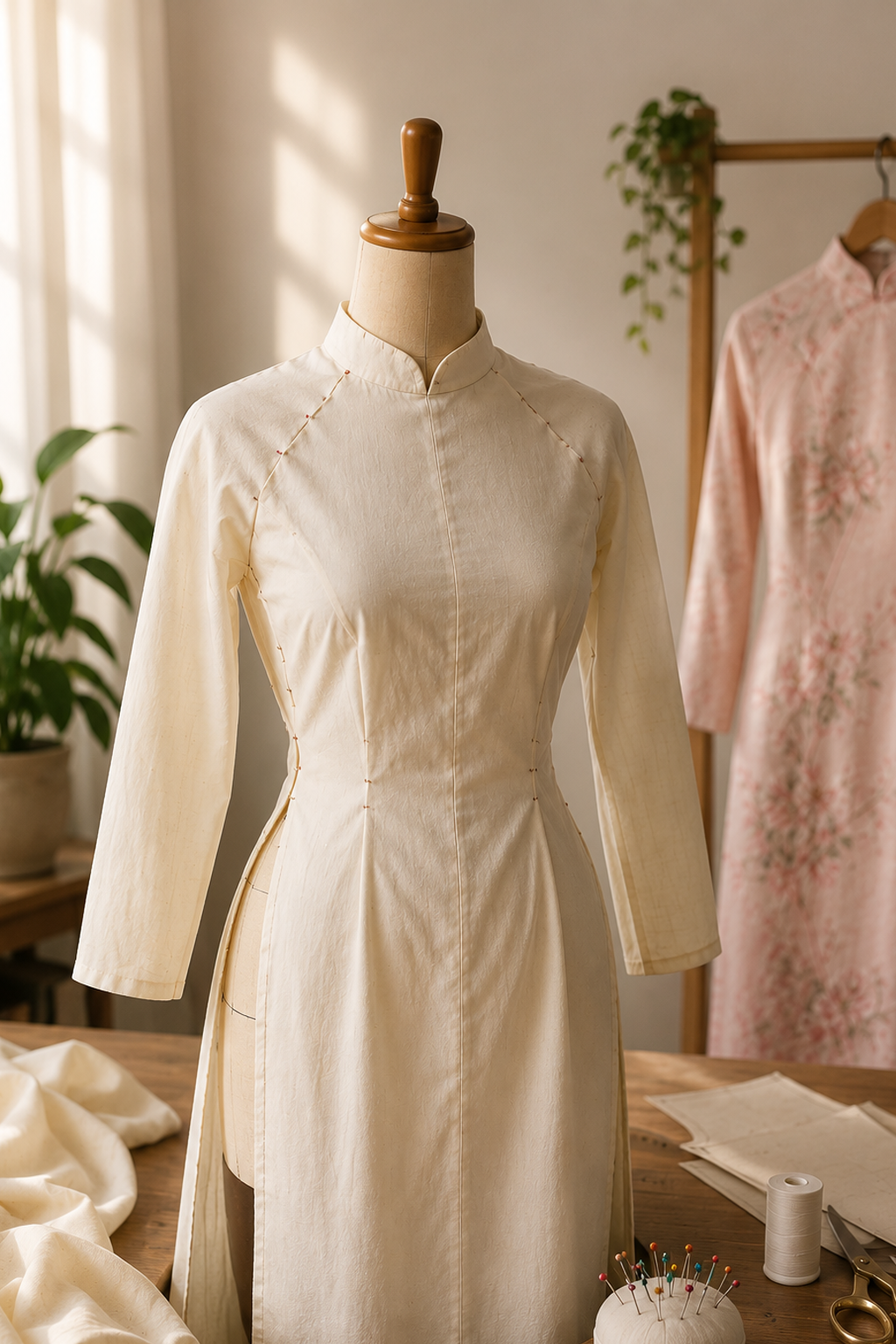
1. Make a Toile. Yes, Really.
I know. You already bought the beautiful silk and you want to cut it immediately.
Don't.
An Áo Dài is fitted closely through the bust, waist and hips, so even small fitting issues can become surprisingly obvious.
Make a quick toile first in inexpensive woven fabric. It doesn't need beautiful seams or perfect finishing. You're simply checking:
Bust, waist and hip fit
Shoulder and armhole
Collar and neckline
Bodice length
Side slit position
Ten dollars of practice fabric can save a considerably more painful conversation with two metres of silk.
2. Take Your Measurements Wearing the Right Bra
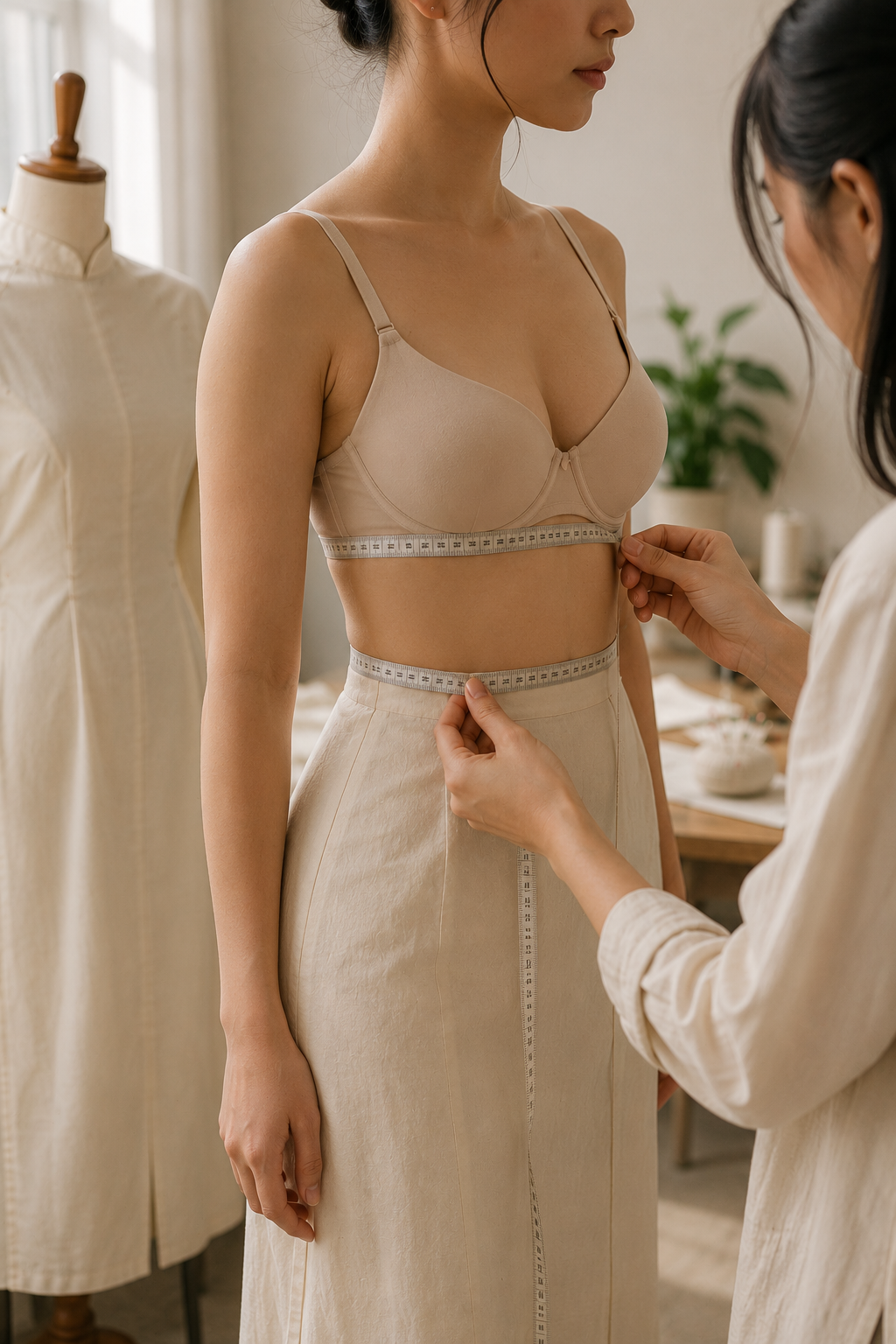
This sounds minor. It isn't.
Your bra can change your bust height, projection and overall shape, which affects how a fitted Áo Dài sits.
Measure yourself and fit your toile wearing the same type of bra you intend to wear with the finished garment.
Otherwise your beautifully fitted pattern may meet your push-up bra on Tết morning and think:
We did not discuss this.
3. Don't Automatically Choose One Size
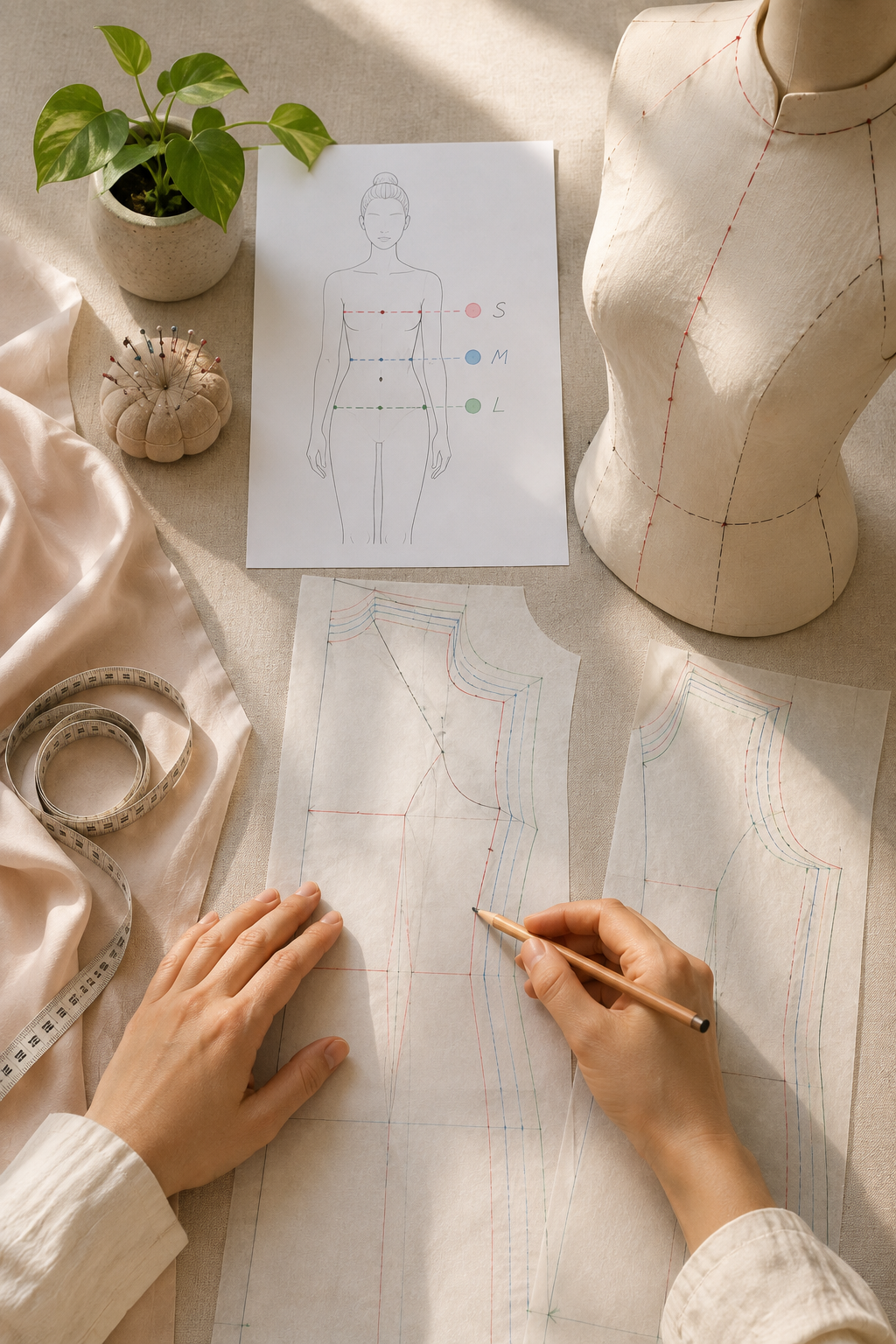
If your bust says S, waist says M and hips say L, congratulations — you have a completely normal human body.
You don't need to squeeze yourself into one pattern size.
Choose the size that suits each area and grade smoothly between sizes. This is especially useful for Áo Dài because the silhouette follows the body so closely.
The pattern is supposed to fit you.
You are not supposed to fit the pattern.
4. The Raglan Sleeve Needs Precision
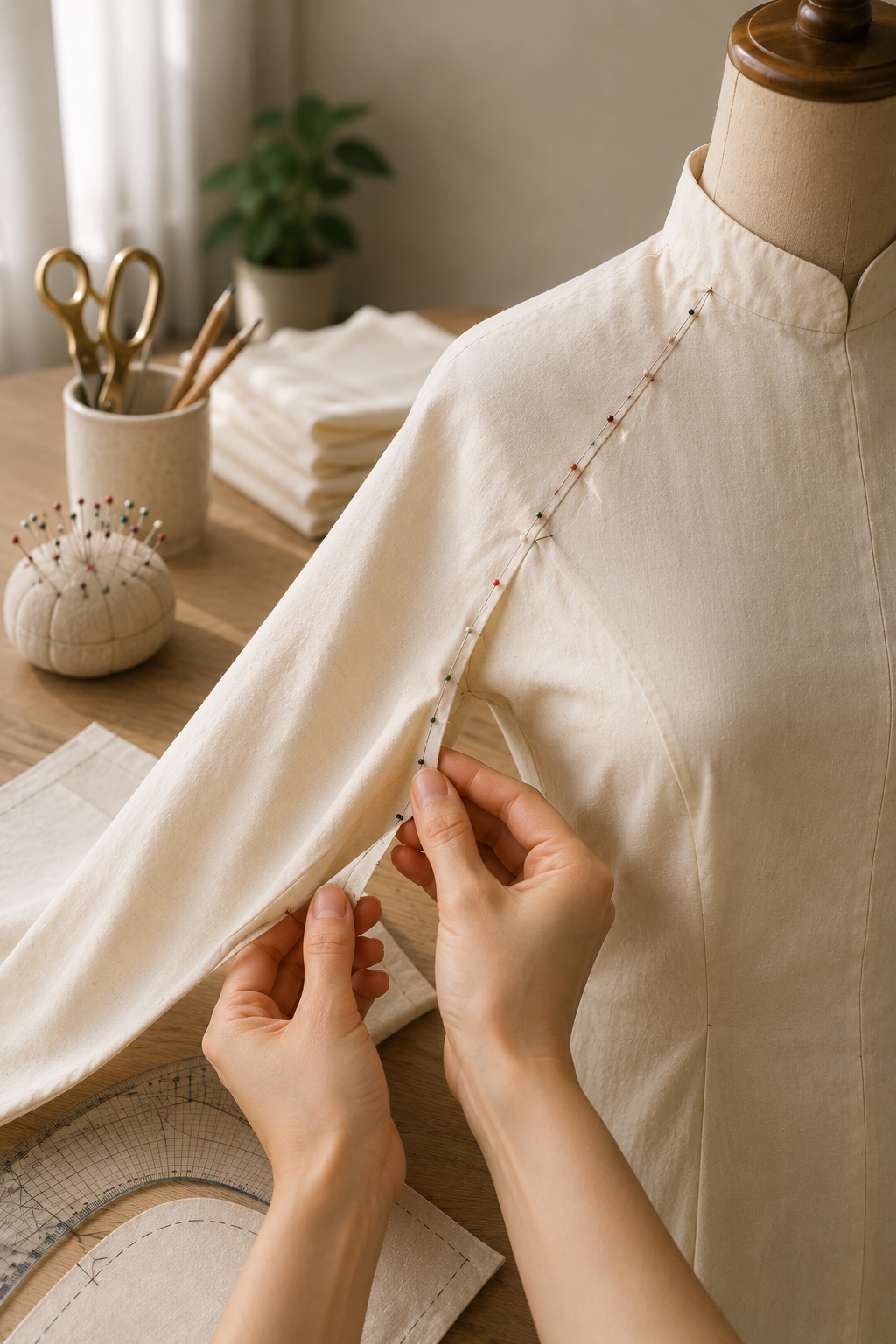
Many modern Áo Dài use a raglan-style sleeve where the seam runs from the neckline toward the underarm.
It looks wonderfully simple.
It is also not particularly forgiving if your sewing is a few millimetres off.
Mark your seam lines carefully, match your pieces accurately and avoid stretching the neckline while sewing.
This is one of those moments where "close enough" sometimes turns into "why is my collar doing that?"
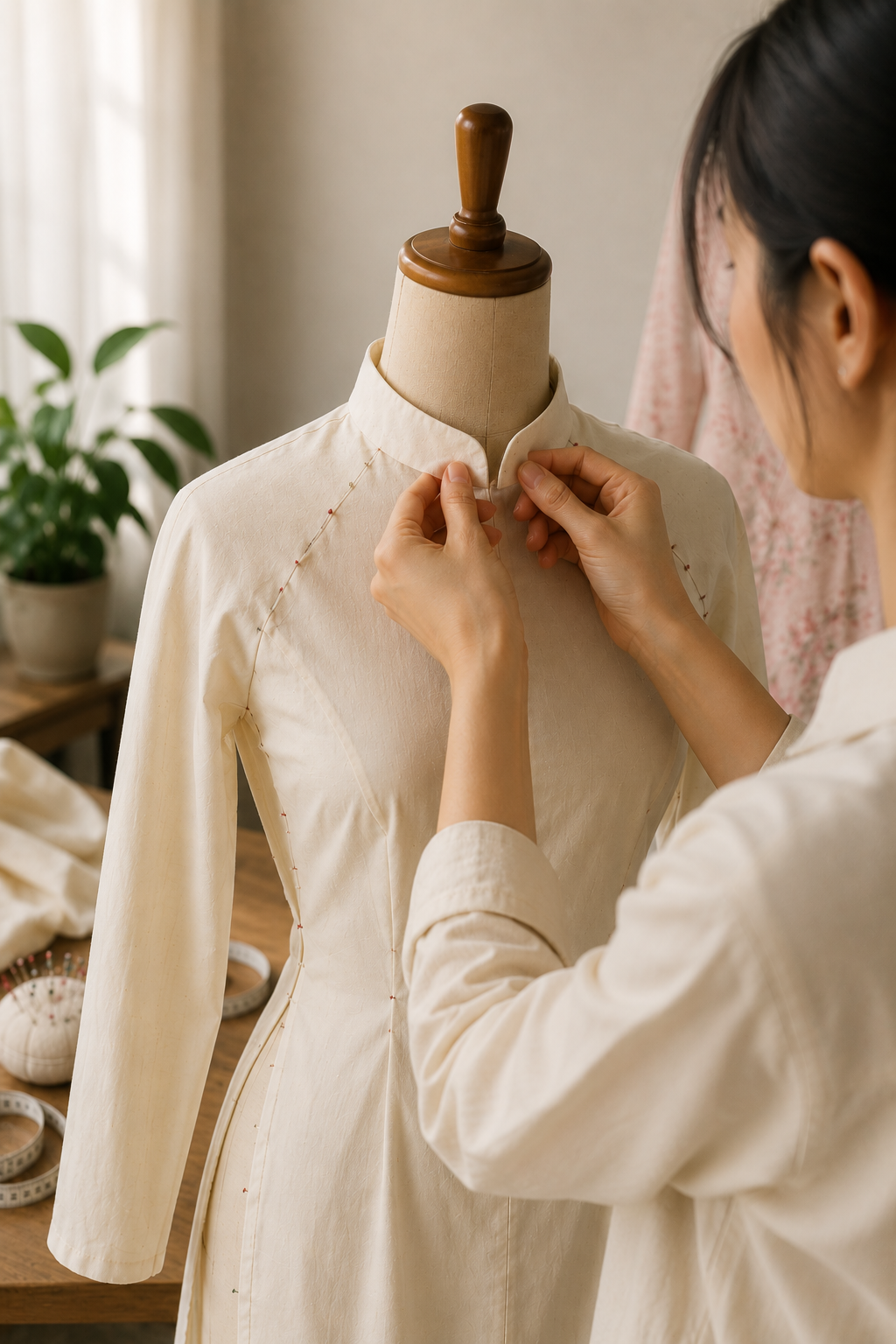
5. Fit the Collar Before You Celebrate
A beautiful high collar can make an Áo Dài.
A gaping collar can make you stare at yourself in the mirror for 45 minutes wondering where your life went wrong.
Before finishing everything, check that the neckline sits comfortably against your neck and that the collar isn't:
Gaping
Pulling
Too tight
Standing away from the neck
Tiny adjustments here can make a surprisingly big difference.
6. Fabric Choice Changes Everything
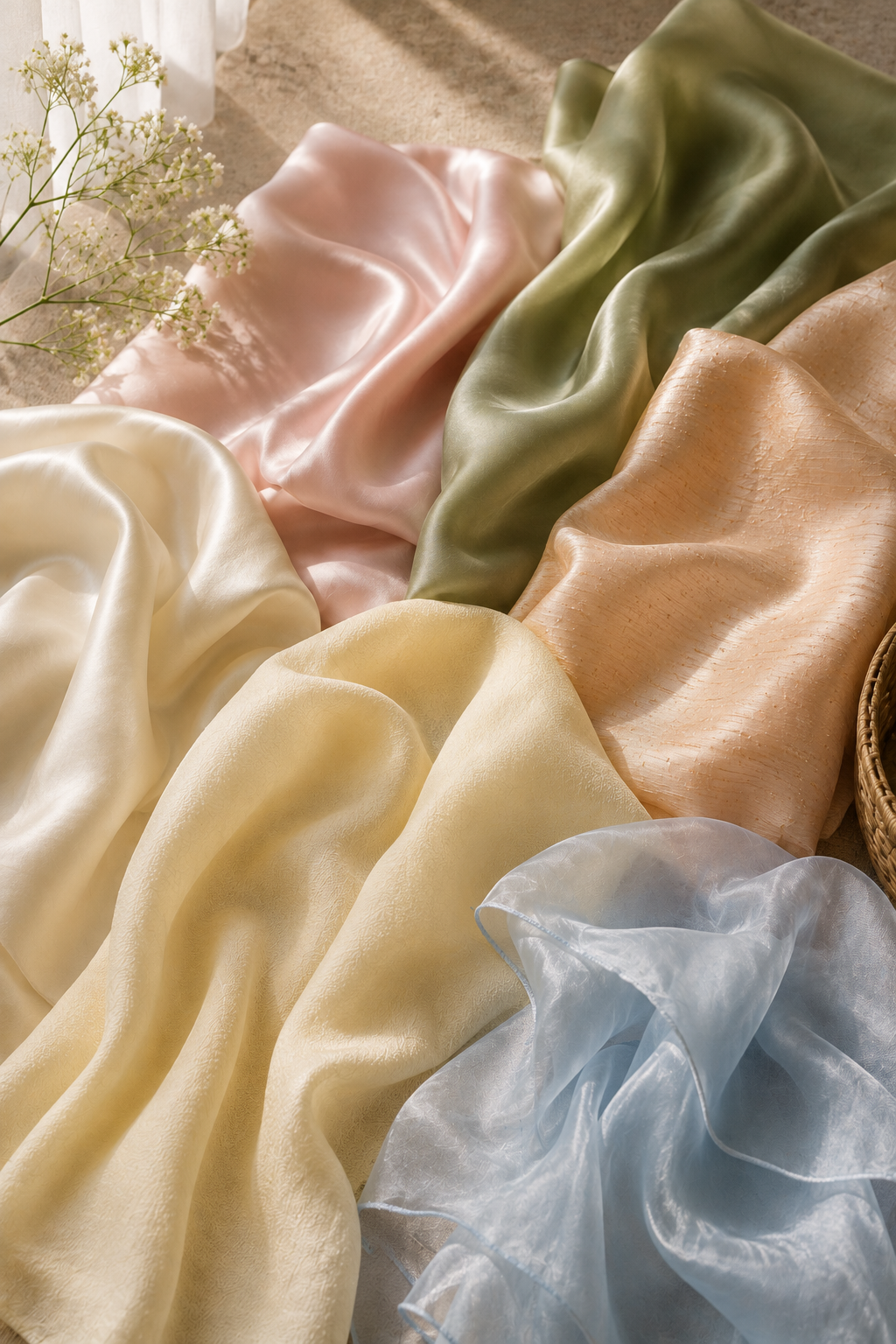
Silk, satin, brocade, crepe and lightweight polyester can all create very different Áo Dài.
A soft silk gives beautiful movement, while something like brocade creates a much more structured silhouette.
And slippery silk?
Beautiful. Luxurious. Completely capable of moving three centimetres while you're looking directly at it.
If you're a beginner, a slightly more stable fabric can make your first Áo Dài considerably less dramatic.
7. Don't Forget Movement Ease
Áo Dài should skim the body, but fitted doesn't mean vacuum-sealed.
Before deciding the fit is perfect:
Raise your arms. Sit down. Walk around. Reach forward.
Pay particular attention to the shoulders, upper arms, bust and hips.
And check the side slits while walking. They're not just decorative — they allow those long front and back panels to move freely.
Your Áo Dài needs to survive activities more demanding than standing beautifully beside a kumquat tree.

8. Pressing Is Half the Sewing
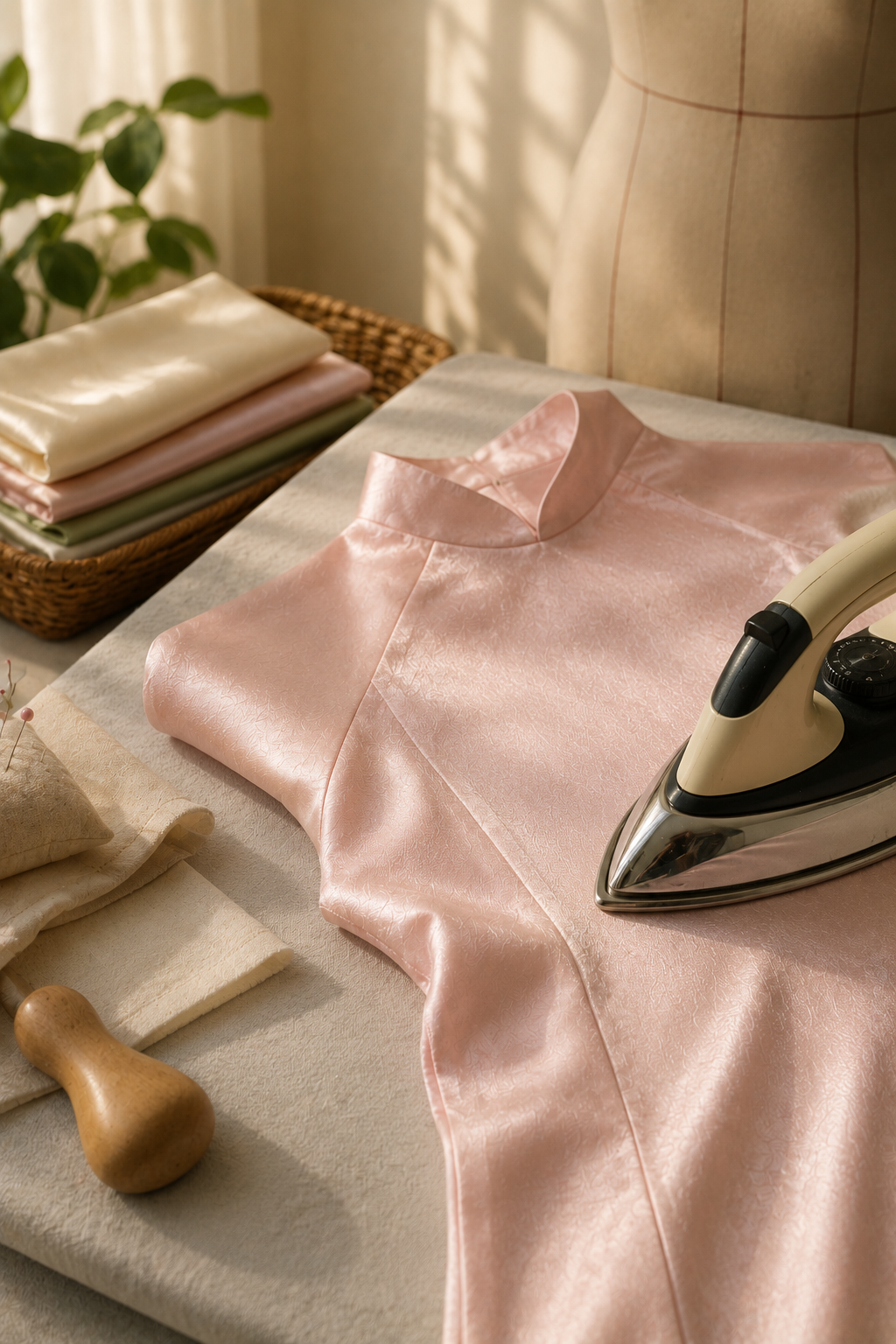
Press your seams as you go.
Not at the end when the entire garment is finished and you suddenly remember the iron exists.
Good pressing helps seams lie flatter, makes curves easier to control and gives your finished Áo Dài a much cleaner, more professional appearance.
It's one of the least exciting sewing tips and unfortunately one of the most useful.
9. Test Everything on Your Actual Fabric
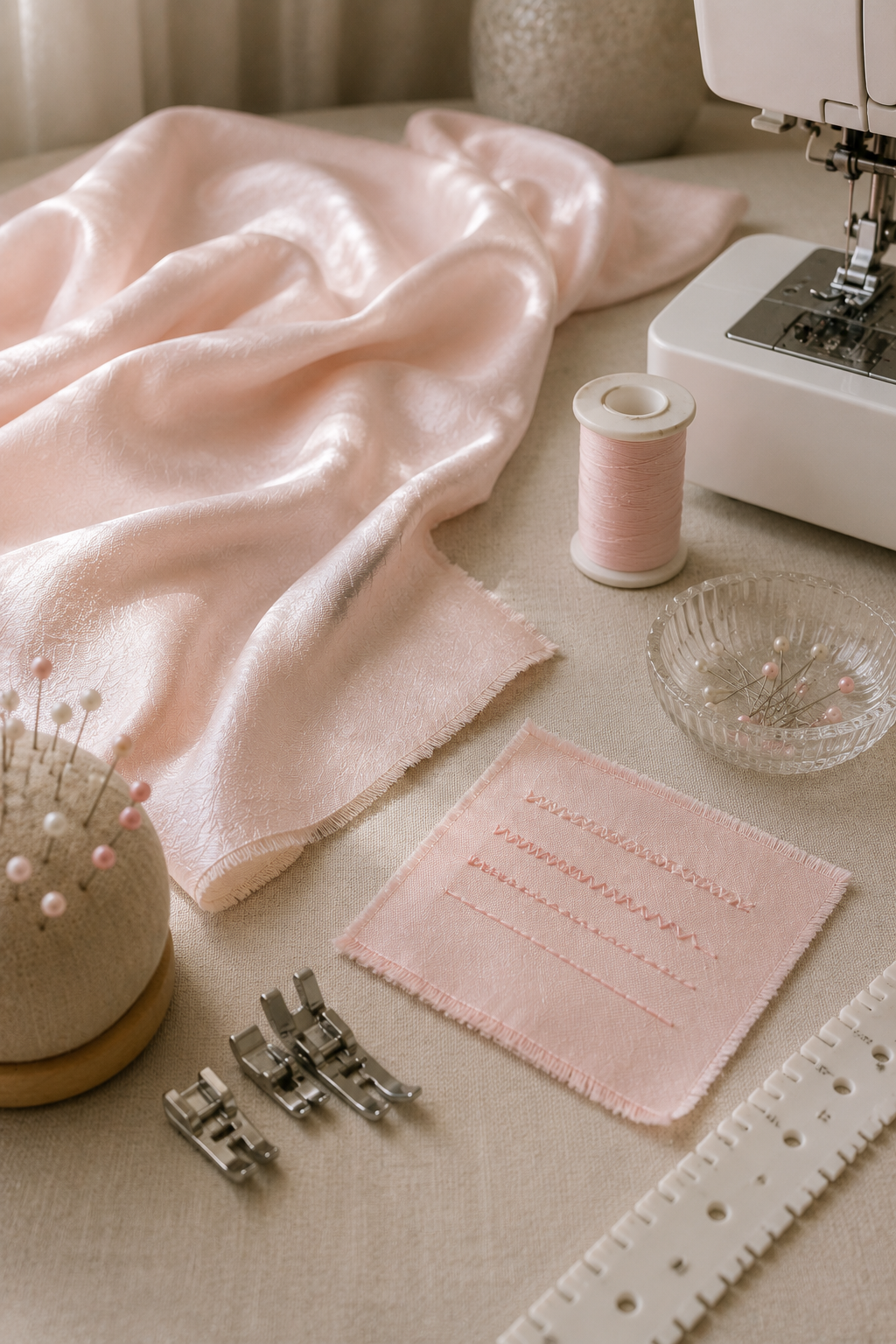
Needle. Thread. Stitch length. Interfacing. Iron temperature.
Test them all on scraps first.
This is particularly important with delicate silk and satin, where an incorrect needle or too much heat can leave permanent marks.
Your beautiful final fabric should not be where you discover your iron is feeling particularly aggressive today.
10. Your First Áo Dài Doesn't Need to Be Perfect
This might be the most important one.
There may be a slightly wonky seam. Your collar might require another attempt. You might unpick something you were absolutely certain you'd sewn correctly.
That's normal.
Áo Dài is a beautifully fitted garment, and every one you make teaches you more about fit, fabric, construction and your own body shape.
So make the toile. Take your time. Keep the seam ripper nearby.
And when you finally put it on?
You'll probably already be thinking about the fabric for the next one.
Because apparently that's how sewing works.

